
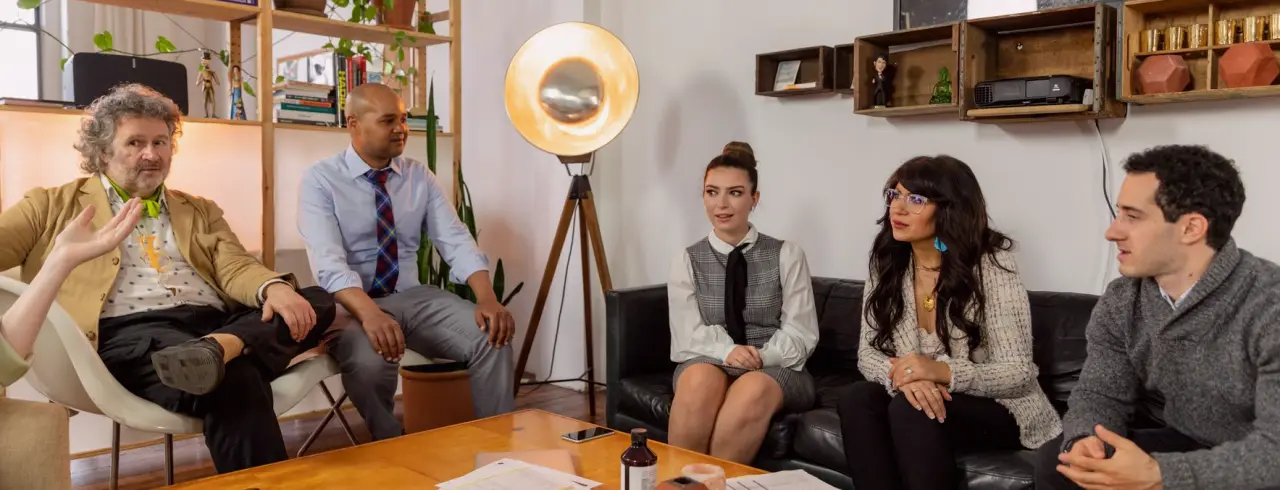
Our Work
A look at the studios, rigs, desks and plans we work with when advising broadcast and live production teams.
Details from studios, galleries and live stages
These scenes show the settings and materials our advice deals with: floor plans, camera positions, lighting rigs, mixing desks and run sheets. Each one reflects a step in how we plan and document a production.
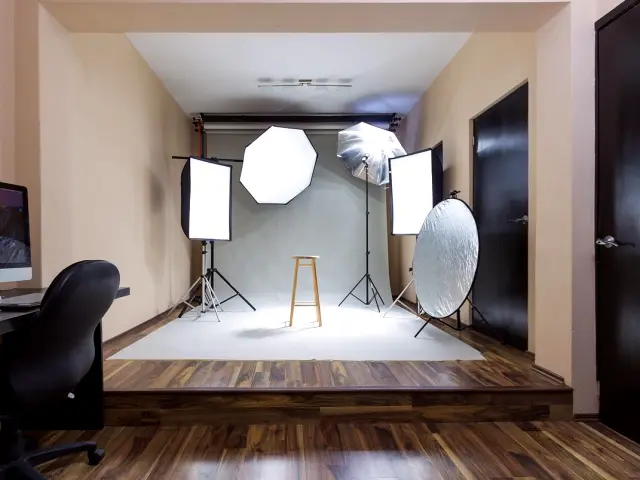
Studio floor and camera positions
Planning starts on the studio floor, where we mark camera positions, desk locations and sightlines. Checking them against the physical space early helps avoid awkward moves once equipment is installed.
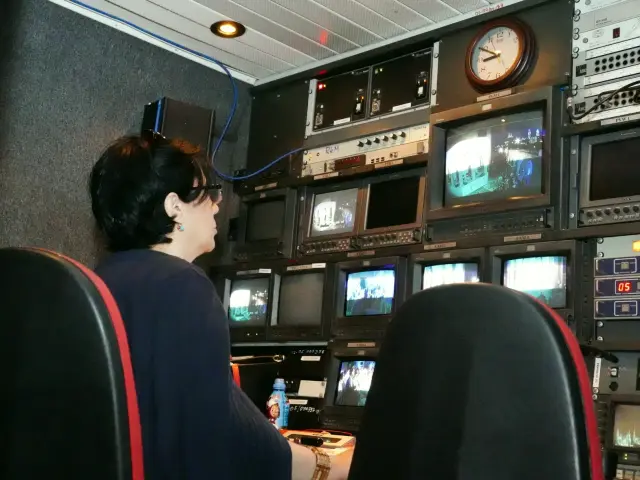
Cable routes and rack planning
Cabling plans show where signal and power runs travel between the studio and the rack room. Good routes keep cables tidy, accessible and separated where needed, making later changes simpler.
Remote camera control surface
A remote control panel lets one operator manage several cameras. We help teams configure presets and layouts so the surface matches how their programmes are actually shot.
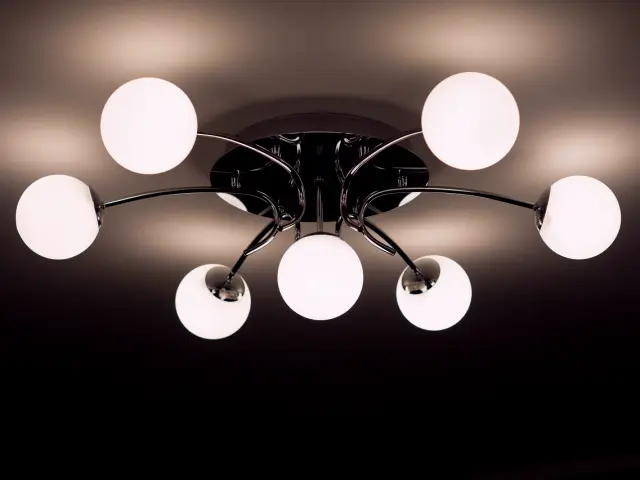
Lighting rig over a news set
A lighting plot places each fixture with a purpose, whether key light, fill or backlight. We draw it with camera positions in mind so the set looks consistent from every angle.
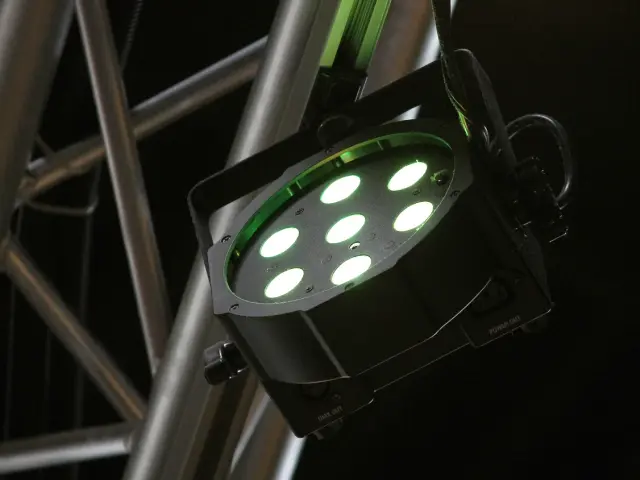
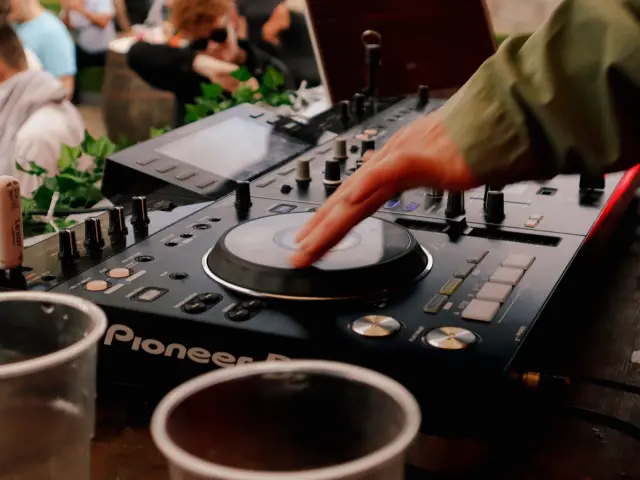
Mixing desk in the control room
Sound guidance covers microphone choice, levels and monitoring. We work with the desk layout your operators already know and suggest changes only where they improve clarity or reliability.
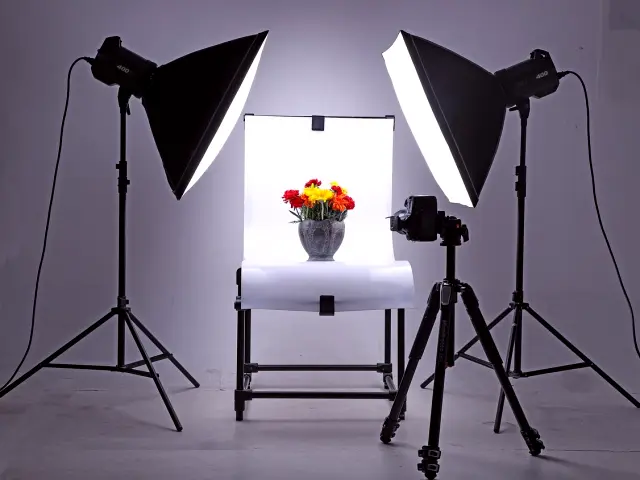
Run sheet and live event stage
For live events, a technical run sheet sets out cues, equipment and responsibilities in order. Crews can follow it at the desk or backstage, which keeps everyone working from the same plan.
The kinds of teams that use our advice
We work with people who plan, build and run broadcast and live productions. Their projects differ in size and format, but they share a need for clear technical planning and documents the whole crew can follow. These are the audiences our services are written for.
Television networks
Network teams need studio plans, camera control choices and workflow reviews that support regular programming and make best use of existing equipment and staff.
Regional broadcasters
Smaller broadcasters often need practical advice on refitting a studio or reviewing how content moves from camera to transmission, with limited technical staff.
Live event producers
Producers of live events need technical run sheets and equipment plans that give crews a shared, clear picture of the production before arriving on site.
Independent production companies
Independent companies need lighting plots, sound guidance and camera arrangements that suit the formats they shoot, whether in a hired studio or on location.
Studio facilities
Facilities that hire out studios need layouts, cabling plans and lighting arrangements that work for many different productions and can be reset quickly between bookings.
Technical directors and engineers
Individual technical leads often look for a second opinion on camera control systems, audio chains or workflow, supported by a written explanation they can share.