Live Events ·
Building a Technical Run Sheet for a Live Broadcast Event
A practical walk through the first part of live event technical planning: how to build a run sheet your crew can follow cold, from first cue to the final fade.

newsfuri advises television networks and live event producers on studio design, camera control, lighting and sound, with written plans and guides your crew can work from.

Layout, sightline and cabling plans for new or refitted studios. We draw the floor, the camera positions and the cable routes together, so the build team works from one agreed document.
Advice on selecting, configuring and operating remote camera control setups. We look at how your operators work, then match the system and its settings to the programme.
Lighting plots for news sets, talk shows and live stages. Each plot shows fixture positions, control channels and the look for each camera, written so a rigging crew can follow it.
Microphone placement, mixing and monitoring guidance for live and recorded programmes. We review the audio chain from the studio floor to the transmission feed and note where problems begin.
A written review of how your team moves content from camera to transmission. We follow the path, record the handovers and delays, and set out practical changes in order of effort.
Technical run sheets and equipment plans for live broadcast events. They cover the schedule, the kit list and the positions of each crew member, ready to hand out before load-in.
These scenes show the kinds of rooms and rigs our advice applies to. Each one connects to a part of the planning work described on the services page.
A compact studio where camera sightlines and desk position decide the layout. We plan these first, then the lighting and cable runs follow from them.

Control panels and monitor walls need to match how the operator actually works. We review button layout, shot memories and viewing distance.

A grid of fixtures with clear channel labelling saves time at every rehearsal. The plot records each position and its purpose.

Audio monitoring and talkback routing are common sources of delay on live shows. We map them early and note what each operator needs to hear.

Reviewing a workflow starts with the people who run it. We sketch each handover from ingest to transmission and mark where files wait.
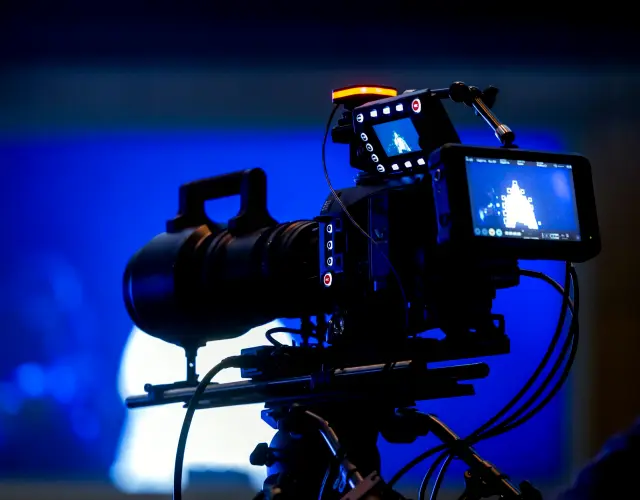
Event day depends on the run sheet and an accurate equipment plan. We set out positions, cable routes and cues before the crew arrives.
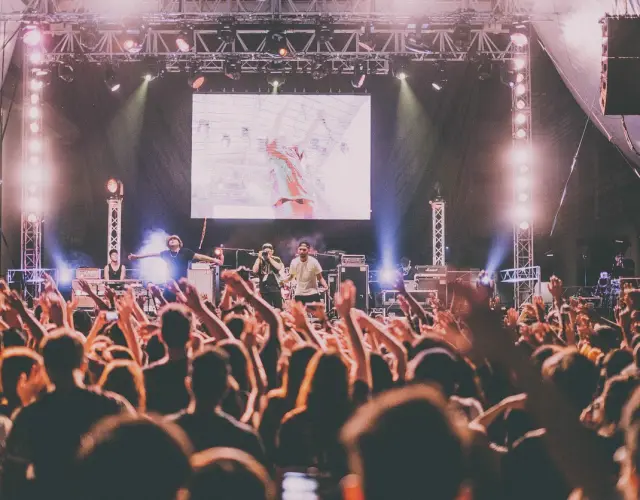
We start with the dimensions, the existing services and what each programme must do. You tell us the formats, the crew size and how often the set changes.
We place the set, camera positions and presenter marks, then check sightlines between them. Changes are easy to make at this stage, before anything is built.
Cable routes, patch points and floor boxes are drawn and numbered. The installer receives a clear drawing, and your engineers keep a record for later maintenance.
You receive a written plan with drawings and notes on each decision. It covers the reasoning behind the layout, so later changes stay consistent with it.
Our projects follow a short, predictable path. You describe the situation, we agree what is in scope, and we work towards a written deliverable. Each step leaves you with something concrete, so you always know where the project stands and what comes next.
You contact us through the contact page with a short description of the studio, event or workflow and what you want to improve. We read it and may reply with a few questions to understand the setting.
We set out the scope, what is included, what we need from you and the price in a written quotation. You read it, ask questions and confirm when it matches what you expect.
We collect drawings, equipment lists and operator input, and where useful we visit the site. We speak to the people who run the setup day to day and note what they find difficult.
We prepare the layout, lighting plot, run sheet or workflow review. A draft is shared so you can comment on practical details before the document is finalised.
We deliver the finished document, explain the main decisions and answer questions from your team. Invoicing follows, payable by bank transfer according to the payment and refund policy.
These are the questions production managers and engineers ask before getting in touch. If yours is not here, the contact page is the quickest way to reach us.
Live Events ·
A practical walk through the first part of live event technical planning: how to build a run sheet your crew can follow cold, from first cue to the final fade.
Sound ·
Before you commit to outside audio help, these are the questions on microphones, mixing and monitoring that are worth settling with your team, so the brief you write is the one you need.
Camera Control ·
Priya Shah goes through the errors that most often undermine remote camera control setups, from network planning to operator habits, and explains how to avoid each one before air.
Tell us about the studio, event or workflow you are planning. We will reply with questions or a written quotation, and nothing is agreed until you confirm it.

Clear guidance for broadcast production teams
14 Castle Foregate, Shrewsbury SY1 2DG01743 358216[email protected]